Spicy Chicken Font: A Stylish Script for Modern Web Design
As a web designer, choosing the right typeface can make or break a project’s visual impact and user experience. Spicy Chicken, a script font from the Script Amp collection, offers a unique blend of charm and elegance that stands out in digital environments. It’s not just another decorative font—it’s a tool that enhances readability, supports brand tone, and brings personality to design layouts when used thoughtfully.
What Makes Spicy Chicken Unique?
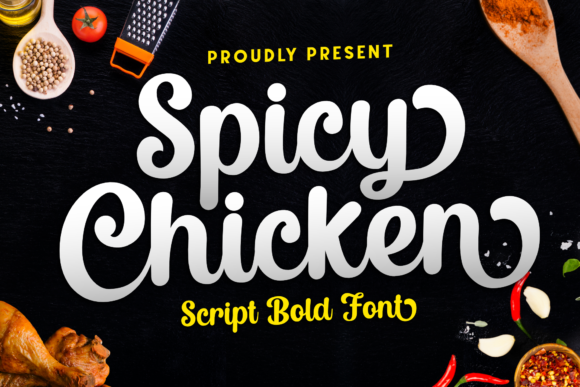
Spicy Chicken is a premium script font with a modern twist on classic calligraphy. Its flowing strokes and organic curves give it a warm, approachable feel while maintaining a level of sophistication suitable for professional branding. Unlike many handwritten fonts that lean too casual or illegible, Spicy Chicken balances creativity with clarity, making it ideal for both artistic and commercial use cases.
The font features subtle variations in stroke width and character spacing that help guide the viewer’s eye through text naturally. This makes it especially effective for headers, hero sections, and logo designs where legibility at a glance is key. The personality of Spicy Chicken is bold yet refined—perfect for brands aiming to convey passion without losing professionalism.
Using Spicy Chicken in Digital Layouts
When designing a website or landing page, the right typography sets the tone. Spicy Chicken excels as a display font, particularly in large-scale text elements like:
- Hero titles – Its elegant script adds flair to headlines, helping them stand out against backgrounds.
- Landing page section headings – Adds a creative touch while remaining readable enough to support visual hierarchy.
- Call-to-action buttons – Works well for short phrases or taglines, encouraging user engagement with its lively energy.
- Boutique online store banners – Enhances the aesthetic appeal of product headers and promotional copy.
- Blog headers and social media graphics – Brings a personal, handcrafted look to editorial content without sacrificing digital readability.
However, because of its ornate nature, Spicy Chicken isn’t recommended for body text or long-form content. Instead, it should be reserved for visual accents, logos, and short impactful messages. Using it sparingly ensures your layout remains scannable and accessible across all devices.
Practical Applications Across Web Projects
Here are some real-world examples of how you might incorporate Spicy Chicken into your next design:
- Creative Portfolio Sites: Showcase your work with custom headers and site titles styled in Spicy Chicken. It adds an expressive, personal feel that aligns well with portfolios in fashion, illustration, or lifestyle niches.
- Coaching and Wellness Websites: Use it for mission statements or course titles to create a welcoming, inspiring atmosphere.
- Product Landing Pages: Highlight key benefits or testimonials using short quotes in this font to build emotional connection with visitors.
- Digital Brand Kits: Include Spicy Chicken as a signature font for branded assets such as email signatures, social posts, and packaging mockups.
Optimizing Readability and Scanning Behavior
One concern when using script fonts is their potential to hinder readability. But Spicy Chicken has been carefully crafted to perform well in digital spaces. Here’s how to optimize it for different contexts:
- Mobile Screens: Use larger font sizes (at least 24px) and ensure sufficient contrast against the background. Avoid using it on small buttons or dense paragraphs.
- Responsive Layouts: Test the font at various breakpoints to maintain its visual appeal and legibility. Consider adjusting letter spacing slightly for smaller screens.
- Dark Backgrounds: Spicy Chicken looks striking on dark tones, but always check the color contrast ratio to meet accessibility standards.
- Image Overlays: When placing text over photos, use semi-transparent fills or outlines to keep the message visible without overwhelming the image.
By focusing on these best practices, you can leverage Spicy Chicken to improve scanning behavior while still capturing attention with its dynamic style.
Font Pairing Tips for Web Designers
To maximize the effectiveness of Spicy Chicken, pair it with a more structured typeface for supporting text. Common pairing strategies include:
- Sans Serif Fonts: Clean, minimalist sans serifs like Montserrat or Inter provide excellent contrast and balance against the fluidity of Spicy Chicken. This combination works well for tech startups, SaaS platforms, or modern e-commerce sites.
- Serif Fonts: For a more traditional or editorial look, pair it with a serif like Playfair Display or Lora. This is great for blogs, magazines, or luxury brand websites.
- Monospace or Code Fonts: In niche projects like developer portfolios or creative coding tutorials, Spicy Chicken can add a human element to otherwise technical interfaces.
Always consider the rhythm of your layout when combining fonts. Use Spicy Chicken as the headline font and reserve the simpler typefaces for subheadings and body copy. This ensures a clear visual hierarchy and maintains a professional tone throughout the interface.
Commercial Licensing and File Formats
Before using Spicy Chicken in any client project, verify the licensing terms. Many script fonts require specific licenses for web use, especially if they’re part of a commercial font package. Check whether the font includes webfont formats like WOFF or WOFF2, which are essential for embedding in websites and ensuring fast load times.
Also, review the included styles and weights. Does it offer bold, italic, or alternate characters? These options can give you more flexibility in crafting design assets like logos or banners. Multilingual support is another consideration if your audience spans multiple regions or languages.
Building Brand Identity with Spicy Chicken
Typography plays a major role in shaping brand perception. Spicy Chicken is particularly suited for brands that want to express warmth, creativity, and a touch of boldness. Think of a boutique clothing line or a handmade goods shop—this font helps establish a sense of authenticity and care in the presentation.
On the other hand, for corporate or finance-related sites, it may not be the best fit unless the brand is intentionally leaning into a more expressive identity. As a rule of thumb, let the font reflect the voice of your brand. If your brand is playful, innovative, or artisanal, Spicy Chicken can be a perfect match.
Examples of Effective Use Cases
Here are a few scenarios where Spicy Chicken shines:
- A course sales page for a creative writing workshop could feature a header in Spicy Chicken to evoke inspiration and imagination.
- An online store selling gourmet spices might use the font for its name and key product tags, reinforcing the “spicy” theme visually.
- A blog about travel and food could apply the font to post titles and pull quotes, adding a personal, inviting touch to each article.
- Branded social media templates benefit from the font’s adaptability across platforms, maintaining consistency in tone and style.
Final Thoughts on Usability and Impact
Incorporating Spicy Chicken into your design toolkit requires thoughtful application. While it’s not a universal solution, it’s a versatile script font that can elevate the visual quality of your work when used correctly. Whether you're building a creative portfolio, a high-converting landing page, or a brand-focused app screen, this font offers the right mix of elegance and expression.
Remember to test it in context. How does it look on mobile? Does it hold up in small sizes? Can users scan it quickly without confusion? Answering these questions will help you decide whether Spicy Chicken is the right choice for your next project—and if it is, how best to deploy it.
Ultimately, the power of a good typeface lies in how it supports the overall design. With Spicy Chicken, you have a font that doesn’t just look beautiful—it helps tell your brand’s story with confidence and flair.