Troyline: A Retro Font for Creative Projects
There I was, staring at a blank brand board, trying to find the right visual voice for a new boutique coffee shop. The client wanted something warm, inviting, and a little nostalgic. I pulled up my font library, scrolling through dozens of options—too modern, too stiff, too generic. Then I found it: Troyline. A retro-styled duo font that felt like a breath of fresh air.
A Visual Storyteller in Type
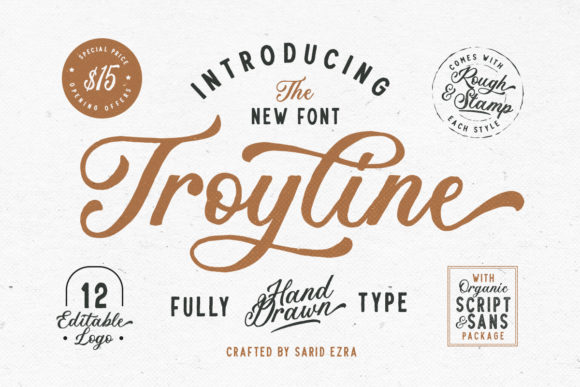
Troyline is a beautiful and retro styled duo font, combining a sans serif and script style. It’s not just a font—it’s a personality. The sans serif has clean, confident lines with subtle curves that give it a friendly, approachable feel. The script version is elegant and flowing, perfect for adding a touch of sophistication or whimsy. Together, they create a dynamic pairing that feels both timeless and modern.
The font’s personality leans toward the cozy and charming. It evokes a sense of nostalgia, like a vintage postcard or an old family recipe card. Its mood is warm, making it ideal for brands that want to feel personal and authentic. Whether you're designing for a café, a handmade shop, or a creative studio, Troyline brings a sense of character that other fonts often lack.
Real-World Testing: From Logo to Social Media
I tested Troyline on a logo concept for the coffee shop, pairing it with a simple sans serif for balance. The result was striking—clean, readable, and full of personality. On a packaging mockup, it added a soft, inviting edge that made the product feel more approachable. I used it on a business card, and the script version really shined, giving the card a handcrafted, personalized look.
On a website header, Troyline stood out without overwhelming the design. It worked well as a headline font, drawing attention while maintaining a sense of elegance. In social media graphics, it added a unique flair that made posts feel more cohesive and visually interesting. Even in a poster or flyer, it held its own, offering a refreshing alternative to the usual go-to fonts.
When to Use Troyline and When to Avoid It
Troyline excels as a display or headline font. It’s not meant for long body text, but as a supporting typeface, it can add visual interest and a touch of uniqueness. It works best when paired with a simpler, more neutral font—like a serif or another sans serif—to keep the design balanced.
That said, there are situations where Troyline might not be the best choice. In formal corporate settings, its casual, retro vibe could feel out of place. Small sizes or dense text blocks might also challenge its readability. If your project requires a more professional or minimal aesthetic, you may want to consider other options.
Practical Tips for Using Troyline
If you’re considering Troyline for a project, start by testing it in different contexts. Try it on a logo draft, a packaging label, or a social media layout. Pay attention to how it interacts with other elements in the design. Does it feel natural? Does it enhance the overall message?
Also, make sure to check the commercial licensing before using it in client work. Many fonts have restrictions on how they can be used, especially in print or digital products. Troyline is a premium font, so it’s worth verifying that it meets your specific needs.
Pairing Troyline with Other Fonts
One of the strengths of Troyline is its versatility. It pairs well with a variety of other fonts, depending on the desired effect. For a classic, refined look, pair it with a serif font like Georgia or Playfair Display. For a more modern, clean aesthetic, try a minimalist sans serif like Lato or Montserrat.
If you're going for a more artistic or handwritten feel, combine it with a similar script or handwritten font. This can create a layered, textured look that adds depth to your design. Just be careful not to overdo it—too many fonts can make a design feel cluttered.
Troyline also works well in multilingual projects, thanks to its comprehensive character set. Whether you're designing for a local audience or a global one, it offers flexibility and reliability.